What is a High-Yield Savings Account (HYSA)? Best Options for 2026
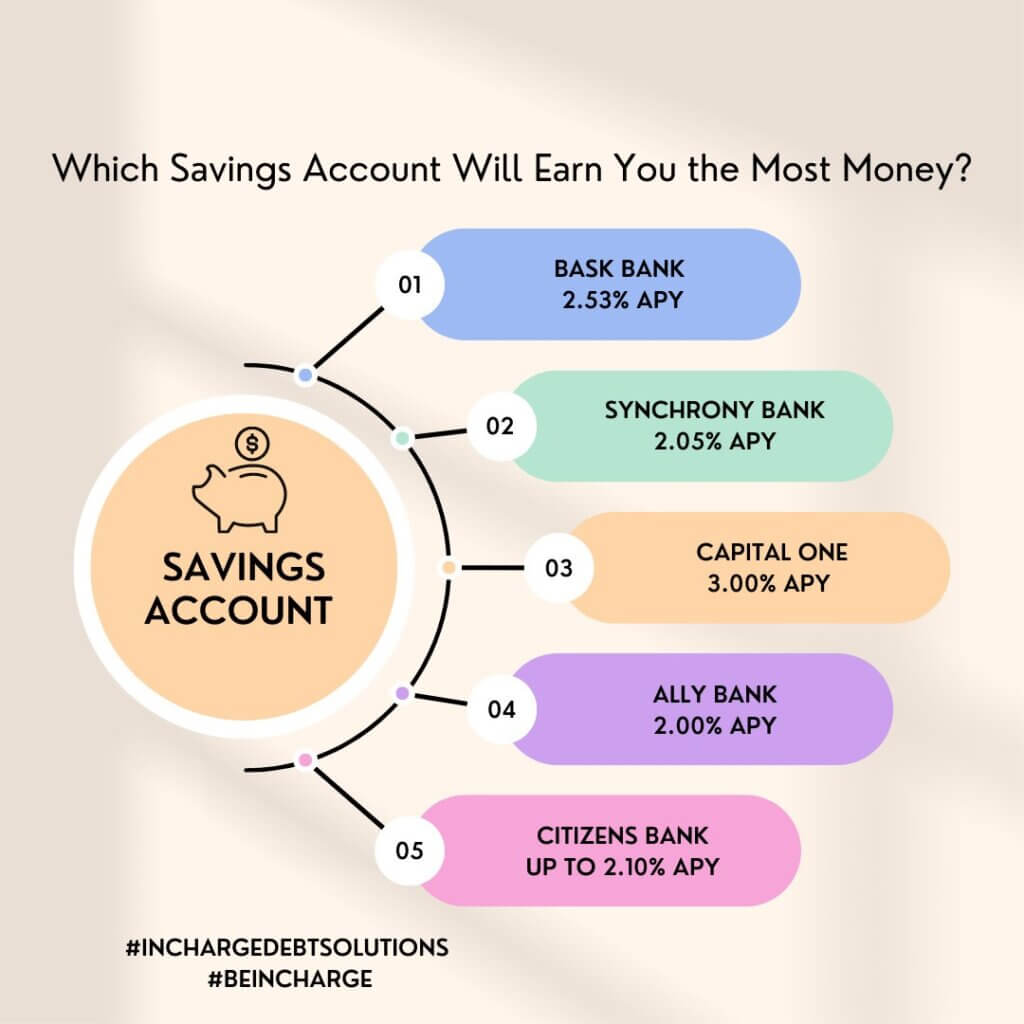
In today’s financial climate, leaving your hard-earned money in a traditional savings account is like watching it slowly disappear. With inflation constantly eroding purchasing power, smart money managers are turning to High-Yield Savings Accounts (HYSAs). These accounts offer significantly higher interest rates than standard savings accounts, making your money work harder for you without any extra effort.
For 2026, understanding HYSAs is no longer a niche tip for finance gurus; it’s a fundamental strategy for everyone from college students saving for tuition to families building an emergency fund. This guide will demystify HYSAs, explain why they’re crucial, and highlight the best options available today.
What Exactly is a High-Yield Savings Account (HYSA)?
A High-Yield Savings Account is a type of savings account that typically offers an Annual Percentage Yield (APY) that is several times—sometimes even 10 to 20 times—higher than the national average for traditional savings accounts.
Key Characteristics of an HYSA:
-
Higher Interest Rates: The defining feature. While a regular savings account might offer 0.01%–0.05% APY, an HYSA can offer 3.00%–5.00% APY or more, depending on market conditions.
-
Liquidity: Your money is still easily accessible. You can deposit and withdraw funds as needed, though some accounts might have transaction limits (e.g., 6 withdrawals per month by federal regulation, though many banks have temporarily lifted this).
-
FDIC Insurance: Reputable HYSAs are FDIC-insured up to $250,000 per depositor, per institution, ensuring your money is safe even if the bank fails.
Why an HYSA is Essential in 2026

The economic realities of 2026 make HYSAs an indispensable tool in your financial arsenal.
1. Combatting Inflation
Inflation is the silent killer of wealth. If your money isn’t growing at a rate that at least matches inflation, its purchasing power is diminishing. HYSAs provide a crucial line of defense, ensuring your cash maintains its value, or even grows slightly, over time.
2. Supercharging Your Emergency Fund
As discussed in our guide on emergency funds, liquidity is paramount. An HYSA is the ideal place to store your emergency savings. Not only is it separate from your checking account, preventing accidental spending, but it also earns substantial interest while it sits there, ready for an unexpected crisis.
3. Saving for Short-Term Goals
Whether you’re saving for a down payment on a car, a wedding, or a dream vacation, an HYSA helps you reach those goals faster. The compounded interest means your savings snowball, requiring less effort from you.
4. Zero Risk, Guaranteed Returns (Up to FDIC Limits)
Unlike investing in the stock market, which carries inherent risks, money in an FDIC-insured HYSA is virtually risk-free. You are guaranteed to earn the advertised interest rate (which can fluctuate but rarely drops dramatically overnight) without the worry of market downturns.
Where Do HYSAs Come From? The Rise of Online Banking
The reason HYSAs can offer higher rates largely comes down to their operational model.
The Online Advantage
Most top-tier HYSAs are offered by online-only banks. These institutions have significantly lower overhead costs compared to traditional banks with physical branches (no rent, fewer staff, etc.). They pass these savings on to their customers in the form of higher interest rates.
Competition for Deposits
Online banks actively compete for your deposits. Offering attractive APYs is their primary method of drawing in new customers. This competitive environment is excellent for consumers, driving rates upwards.
What to Look For in a Top HYSA (2026 Edition)
When choosing an HYSA, don’t just pick the one with the highest APY. Consider these factors:
1. Annual Percentage Yield (APY)
This is the most obvious factor. Compare rates across multiple institutions. Remember that APYs can change, so look for banks with a history of competitive rates.
2. FDIC Insurance
Always confirm the bank is FDIC-insured. This protects your money up to $250,000 per depositor. You can usually find the FDIC logo prominently displayed on the bank’s website.
3. Minimum Balance Requirements
Some HYSAs require a minimum deposit to open the account or to earn the advertised APY. Others have no minimums at all, making them more accessible for beginners.
4. Fees
Look for accounts with no monthly maintenance fees. Some banks might waive fees if you meet certain criteria (e.g., direct deposit), but fee-free options are abundant.
5. Ease of Use and Mobile App
Since most HYSAs are online, a user-friendly website and a robust mobile app are crucial. You’ll want to easily transfer funds, check balances, and manage your account on the go.
6. Linking to External Accounts
Ensure the HYSA allows for seamless electronic transfers (ACH) to and from your primary checking account at another bank. This is essential for funding your account and accessing your money when needed.
Best HYSA Options to Consider for 2026
While rates fluctuate, certain online banks consistently offer competitive HYSAs. (Always check current rates before opening an account):
-
Ally Bank: Known for its consistently high APY, no monthly fees, no minimum balance, and an excellent user experience. Great for beginners.
-
Discover Bank: Offers a competitive APY, no monthly fees, and the added benefit of being a full-service bank with credit cards, loans, and other products.
-
Marcus by Goldman Sachs: A strong contender with competitive rates, no fees, and backed by a major investment bank.
-
Synchrony Bank: Often boasts some of the highest APYs, no minimums or fees, and offers ATM card access for some account types.
-
Capital One 360 Performance Savings: Good rates, no fees, and the convenience of being part of a larger bank with some physical locations.
(Disclaimer: This is not an exhaustive list, and APY rates are subject to change based on market conditions. Always verify current rates directly with the bank.)
Common Myths About HYSAs
-
“My money is locked up”: Not true. HYSAs offer liquidity, though federal regulations might limit monthly withdrawals to six (though this is often temporarily waived by banks).
-
“They’re only for large sums”: Many HYSAs have no minimum deposit, allowing you to start with any amount.
-
“They’re too complicated”: Opening an HYSA online is often as simple as opening a traditional bank account, typically taking less than 15 minutes.
-
“They’re risky because they’re online”: As long as the bank is FDIC-insured, your money is just as safe as in a brick-and-mortar bank.
Conclusion: Make Your Money Work for You
In the fast-paced financial world of 2026, simply saving is no longer enough. A High-Yield Savings Account is a fundamental tool for protecting your wealth from inflation, building a robust emergency fund, and reaching your short-term financial goals faster.
By choosing an FDIC-insured HYSA with a competitive APY and no fees, you empower your money to grow passively, giving you greater financial security and peace of mind. Stop letting inflation steal your savings—open an HYSA today.